Animal Land: Playful Illustrations & Graphics for Brand Projects
First Impressions: Whimsy with Intention
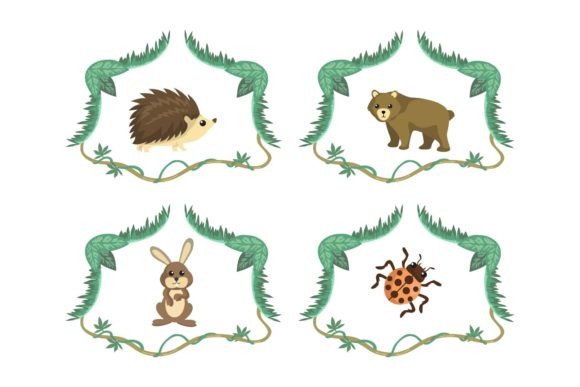
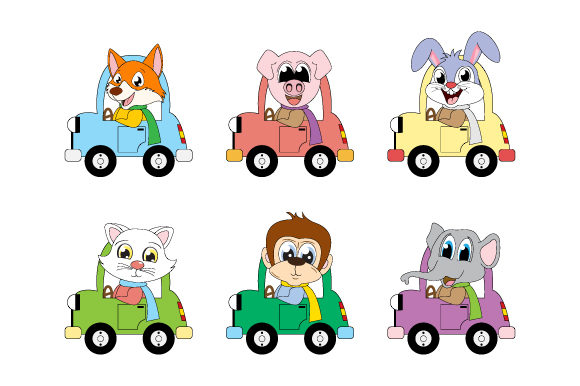
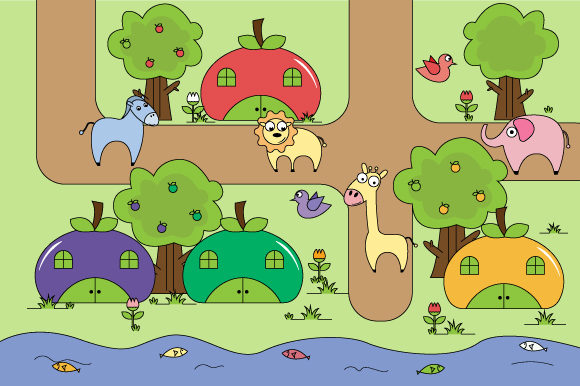
Opening Animal Land feels like stepping into a sunlit storybook—soft edges, gentle curves, and expressive animal characters that lean into charm without tipping into cutesy overload. This isn’t clipart. It’s a cohesive illustration set built for emotional resonance: friendly foxes, curious owls, and grounded deer rendered with subtle texture and balanced negative space. The palette leans earthy but flexible—easy to recolor in Illustrator or adjust for light/dark backgrounds. For a client launching a handmade business—say, organic baby blankets or forest-themed stationery—Animal Land instantly lifts the visual mood from “generic” to “thoughtfully crafted.”
A Real Project Test: Seasonal Packaging for a Local Toy Shop
I recently scoped Animal Land for a boutique toy retailer’s holiday gift wrap and sticker collection. Their brand voice is warm, tactile, and locally rooted—not corporate, not cartoonish. Here’s where Animal Land shined: as hero graphics on kraft paper mailers (scaled large), as subtle border accents on thank-you cards, and as layered elements in digital ads. The SVG and EPS files held crisp detail at 300dpi print resolution, and the Ai 10 format let me tweak line weights and group layers without breaking integrity. On mockups, it elevated perceived value—customers didn’t just see “a fox,” they sensed care in the craft.
Where It Excels: Contexts That Let It Breathe
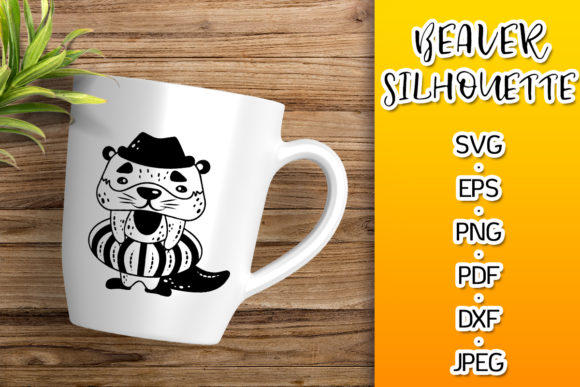
- Product mockups: Especially for tote bags, mugs, and wooden puzzles—its organic shapes integrate naturally with natural materials.
- Printable design & editorial use: Works beautifully in activity sheets, nature-themed blog headers, and educational posters where warmth supports engagement.
- Social media graphics: Stands out in Instagram carousels and Pinterest pins—especially when paired with clean sans serif fonts (think Inter or Montserrat) for contrast.
- Cricut project & sublimation design: The SVG 1.1 and EPS files cut cleanly; no stray anchor points or compound paths to troubleshoot.
- Brand identity support: Not for primary logos—but perfect for secondary marks, pattern repeats, or website decorative accents that reinforce personality without competing with core typography.
Where to Proceed Thoughtfully
Animal Land isn’t universal. It softens hierarchy—so avoid tight layouts like dense flyers or minimalist product labels where clarity trumps charm. It loses nuance at under 1.5cm width (tested on sticker sheets), and its illustrative texture can blur against busy photos or low-contrast gradients. Skip it for finance apps, law firm branding, or tech SaaS dashboards—it simply doesn’t signal the right kind of authority. Also, while joyful, it’s not “cartoon-bright”—so if your client needs high-energy, neon-saturated t-shirt design for Gen Z apparel, this leans too gentle.
Design Impact: Beyond Aesthetics
Used well, Animal Land strengthens visual trust: hand-drawn authenticity signals approachability, which matters for small business branding and Etsy products. It boosts audience engagement—especially with parents, educators, and wellness-focused buyers who respond to gentle, nature-connected visuals. But consistency hinges on restraint: using three animals max across a campaign, keeping color treatment unified, and aligning line weight with supporting type (e.g., matching stroke thickness to a medium-weight sans serif). Overuse dilutes recognition; intentional placement builds it.
Practical Designer Notes Before Client Use
- Test in black and white: Confirm silhouette legibility—some critters rely on color cues, so verify monochrome readability for stamps or embroidery.
- Check contrast on real backgrounds: Drop the SVG onto both light kraft paper and dark navy web banners—adjust opacity or add subtle drop shadows if needed.
- Preview at scale: Zoom to 25% in Illustrator to spot jagged vectors; zoom to 400% to confirm fine details hold up in print.
- Place on physical mockups: Print a test sheet on your target stock (e.g., uncoated vs. glossy) before finalizing packaging design.
- Review file formats critically: SVG 1.1 is web-safe but lacks newer features—great for Canva templates and basic web design, less ideal for complex animations. Ai 10 allows full layer control; EPS ensures legacy compatibility for print shops. JPG is strictly for reference—never for scaling.
- Pair with typography deliberately: It harmonizes with rounded sans serifs (Nunito, Quicksand), gentle scripts (Dancing Script), and sturdy display fonts (Bellefair)—but clashes with ultra-thin serifs or rigid geometric type (like Futura Bold).
- Verify commercial license: Confirm usage rights cover your client’s end use—especially for print-on-demand, merchandise, or digital product resale. Not all creative marketplace licenses permit unlimited commercial design assets.
Final Verdict: A Strategic Creative Asset, Not Just Clipart
Animal Land earns its place in my working toolkit—not as filler, but as a deliberate choice. It’s the kind of graphic design asset I reach for when a client needs to feel human, grounded, and quietly joyful. Whether building a Canva template for eco-conscious bloggers, designing Cricut projects for craft fairs, or developing printable wall art for nurseries, it delivers consistent tone without demanding heavy editing. It won’t solve every brief, but for handmade businesses, seasonal campaigns, and brands leaning into warmth and storytelling? It’s a quietly powerful piece of the puzzle—polished, versatile, and commercially sound when used with intention.