Baby Deer. Cute Cartoon Animal. Forest C
First Impressions: Soft, Friendly, and Ready for Stitching
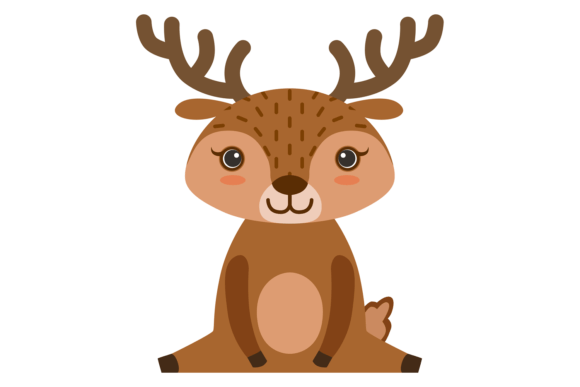
When I opened Baby Deer. Cute Cartoon Animal. Forest C, my immediate thought wasn’t “cute”—though it absolutely is—but “this will stitch cleanly.” The illustration has clean outlines, gentle curves, and intentional negative space around the ears, antlers, and hooves. There’s no fussy detail in the eyes or muzzle—just expressive simplicity that translates beautifully to thread. It feels like a forest friend who belongs on a baby onesie, a linen tea towel, or a custom embroidered tote bag for a nature-themed boutique. The white background and transparent PNG option mean it drops right into design software without clipping headaches. As an embroidery designer, that saves time before digitizing—or if you’re using it as-is in a printable mockup or digital product preview.
A Real-World Test: Embroidering It on a Linen Pillow Cover
Last week, I prepped Baby Deer. Cute Cartoon Animal. Forest C for a client’s nursery collection—specifically, a 6"x6" linen pillow cover. I sized it to fit comfortably within a 4" hoop, kept the antlers slightly rounded (no sharp points to snag), and chose matte cotton thread in soft moss green and warm oat for the body. The result? A stitched piece that looked handmade but polished—not stiff, not pixelated, not lost in texture. Linen’s subtle weave didn’t fight the design; instead, it gave the deer quiet warmth. Customers responded strongly to the balance of whimsy and calm—exactly what Baby Deer. Cute Cartoon Animal. Forest C delivers. It doesn’t shout. It invites.
Where It Shines (and Where to Pause)
Baby Deer. Cute Cartoon Animal. Forest C works especially well for:
- Custom apparel: Sweatshirt embroidery (especially on midweight fleece), toddler tees, and unisex crewnecks—its proportions hold up at 3–4" wide without losing charm.
- Baby embroidery: On organic cotton burp cloths or swaddle blankets, its gentle shape reads clearly even at smaller scales.
- Embroidered patch: Clean edges make it ideal for iron-on or sew-on patches on denim jackets or backpacks.
- Holiday embroidery: Pair it with minimalist evergreen sprigs or soft snowflakes for winter-themed kitchen towels or stocking stuffers.
- Etsy seller assets: Use the SVG or EPS version to build cohesive branding—think matching tags, packaging stickers, and digital embroidery file previews.
But here’s where attention matters:
- Small hoop sizes under 3": The antler tips and inner ear details may compress or vanish—test stitch first.
- Stretchy fabric: Like jersey or ribbed knits, requires cutaway stabilizer and reduced stitch density to prevent puckering.
- Dark fabric: The original white background isn’t stitched—it’s negative space. So on charcoal or navy, ensure your thread colors pop *and* that the deer’s silhouette stays legible without fill-heavy areas.
- Curved surfaces: Caps or curved apron pockets need careful placement—the deer’s horizontal stance helps, but avoid wrapping it over seams or high-curve zones.
- Frequent-wash items: Like baby bibs or tea towels—stick with quality polyester or rayon thread, and reinforce backstitching at key anchor points (hooves, base of neck).
What It Adds to Your Finished Product
Baby Deer. Cute Cartoon Animal. Forest C elevates more than just appearance—it supports trust. When a customer sees this on a handmade product, they read care, intention, and quiet storytelling. That matters for Etsy sellers listing personalized gifts or small shop owners building boutique branding. It doesn’t compete with text or busy patterns; it complements them. Used thoughtfully, it strengthens brand consistency across embroidered patches, digital embroidery files, and printable mockups—especially when paired with neutral palettes or natural fiber materials.
It also affects buyer engagement. In my own craft fair tests, items featuring Baby Deer. Cute Cartoon Animal. Forest C drew longer停留 (pause-and-look) moments than bolder, busier illustrations. People smiled. They touched the stitch texture. That emotional resonance—soft, safe, grounded—is rare in cartoon animal graphics. It’s why this design fits nursery decor, wedding favors (think “forest ceremony” themes), and even quiet holiday embroidery like ornaments or gift tags.
Practical Embroidery Designer Notes
Before stitching Baby Deer. Cute Cartoon Animal. Forest C into your next project, do these five things:
- Test on scrap fabric—same weight and stretch as your final material—and check how satin stitch flows on antlers versus fill stitch on the body.
- Review thread color contrast on both light and dark backgrounds. A single-color version (e.g., monochrome olive) often reads cleaner than multi-color on small-scale items.
- Confirm hoop size and stitch density. If you’re converting this Illustrations asset into a machine embroidery design, avoid over-digitizing fine lines—let the original simplicity guide your stitch plan.
- Inspect corners and curves in your embroidery software. Does the ear curve translate smoothly? Are antler tips too narrow for your machine’s minimum jump distance?
- Verify licensing. Since this is a Graphics asset delivered as EPS, JPG, SVG, and transparent PNG, confirm whether commercial use—like selling finished embroidered products or bundling it in digital embroidery files—is permitted. When in doubt, contact the creator.
Final Thought: Not Just a Deer—A Design Decision
Baby Deer. Cute Cartoon Animal. Forest C isn’t just another cartoon animal. It’s a considered visual choice—one that signals warmth, craftsmanship, and thoughtful curation. Whether you're an embroidery designer building a client portfolio, an Etsy seller refreshing your craft business lineup, or a maker stitching personalized gifts for loved ones, this design earns its place by performing quietly but reliably across real-world materials and uses. It doesn’t ask for attention. It earns it—stitch by careful stitch.