Cute Animal in the Garden: Graphics & Illustrations for Warm Branding
First Impression: Whimsy with Intentional Charm
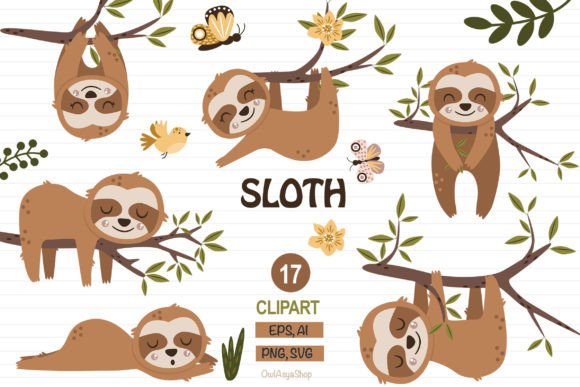
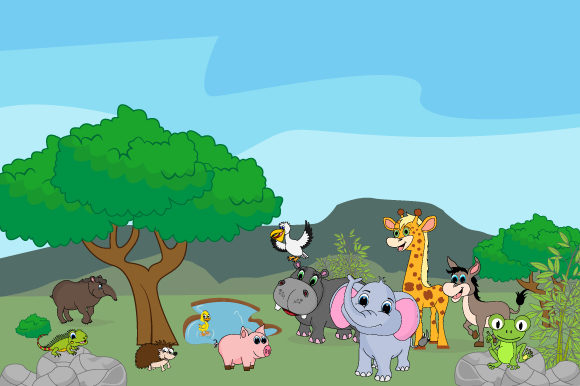
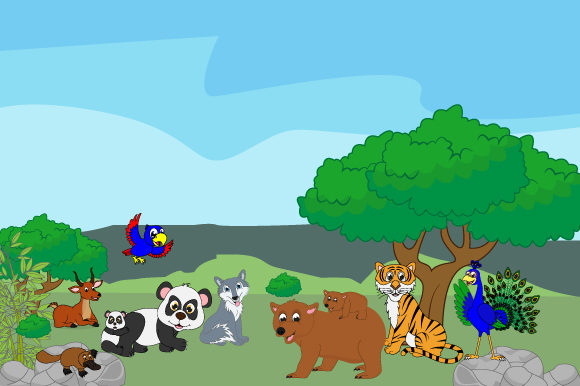
Opening Cute Animal in the Garden feels like stepping into a sunlit storybook—soft curves, gentle contrast, and a quiet sense of joy. It’s not cloying or cartoonish; it’s thoughtfully stylized, with balanced negative space and clean linework that reads as both approachable and intentional. For brand owners launching seasonal offers—or small business owners building a lifestyle-focused digital product—the mood it creates is immediate: trustworthy warmth, gentle authenticity, and lighthearted sincerity. That emotional tone aligns beautifully with handmade products, wellness coaching, children’s content, eco-conscious brands, and editorial blogs focused on slow living or nature-inspired creativity.
A Real Campaign Fit: From Pinterest Pin to Packaging Accent
Last month, I used Cute Animal in the Garden to refresh a client’s spring product launch—a set of organic herbal tea blends. We needed visuals that felt fresh but not generic, playful but not childish. The illustration became the hero graphic across their email banner, Instagram carousel, and printable packaging insert. Its scalability shone: the SVG design held crisp detail at 300px for mobile thumbnails and expanded flawlessly to full-width web headers. In Canva templates, it anchored social media graphics without competing with copy. On physical labels, the EPS 10 format ensured smooth print fidelity—even when scaled down to fit a 2-inch sticker. As a graphic design asset, it performed consistently across touchpoints where many clipart-style illustrations falter.
Where It Strengthens Brand Communication
- Brand identity: Works as a supporting visual motif—ideal for sub-brands, seasonal collections, or content series (e.g., “Garden Notes” blog posts).
- Packaging design & product labels: Adds tactile charm to kraft paper boxes or matte-finish jars without overwhelming minimalist layouts.
- Social media graphics: Elevates Instagram posts and Pinterest pins with visual hierarchy—drawing the eye before text even registers.
- Digital ads & email banners: Delivers stronger first impression than stock photos in low-attention environments, especially for female-led small business branding.
- Editorial design & lead magnets: Gives downloadable checklists or guides a cohesive, professional look—boosting audience trust through consistent visual tone.
- Merchandise & stickers: The clean vector outlines translate well to vinyl cutters and embroidery digitizing workflows.
Marketing Goals It Helps Achieve—Without Extra Work
Cute Animal in the Garden quietly supports deeper marketing goals. Its expressive yet restrained aesthetic improves visual hierarchy by guiding attention toward key messages—not away from them. Used across multiple campaign assets, it reinforces consistent branding without repetition fatigue. Because it feels hand-crafted yet polished, it strengthens audience trust—especially among buyers who associate visual care with product quality. And unlike overused PNG design trends, this illustration stands out in crowded feeds while maintaining professionalism. For content marketers building a content kit or creative entrepreneurs bundling digital product resources, it adds memorable character without sacrificing clarity.
Best Places to Deploy This Illustration
This isn’t just decoration—it’s strategic visual scaffolding. Use it most effectively in hero graphics for landing pages, campaign headers for email sequences, product launch visuals that need emotional resonance, and branded templates for recurring social content. It shines as a social media cover for Instagram or Facebook profiles, adds subtle personality to packaging accents, and elevates content bundles like printable planners or Canva template sets. As a decorative brand element—think corner flourishes in editorial layouts or background motifs in digital ads—it builds recognition without shouting.
Where to Proceed With Care
While versatile, Cute Animal in the Garden isn’t universal. Avoid using it in formal corporate branding, dense infographics, or text-heavy Facebook ads where visual noise could dilute messaging. Its gentle contrast makes it less effective against low-contrast backgrounds—always test on your brand’s actual color palette. It doesn’t scale well below 40px without losing legibility, so skip tiny mobile icons or app interface elements. And if your brand voice leans starkly minimal or ultra-luxury, this illustration may soften perception more than intended—reserve it for moments where warmth is the goal, not neutrality.
Practical Brand Designer Notes You’ll Want to Run
- Test how it pairs with your primary brand colors—especially in black-and-white usage for letterheads or monochrome merch.
- Drop it into real campaign mockups: website header, Instagram Story frame, and email preview pane—to assess balance and spacing.
- Preview on mobile screens: does the focal point remain clear at 50% size?
- Compare against competitor visuals—is it distinct enough to build ownable recognition?
- Pair it with your core fonts: does it harmonize with serif elegance, sans-serif clarity, script fluidity, or display boldness?
- Review negative space—does it breathe comfortably beside headlines or call-to-action buttons?
- Confirm commercial license terms before using in client work, paid ads, or any digital product sold publicly.
Why This Illustration Belongs in Your Creative Marketplace Toolkit
For bloggers, online coaches, and digital sellers, Cute Animal in the Garden is more than an illustration—it’s a ready-made piece of brand language. It bridges the gap between creative design and commercial design, offering emotional resonance without sacrificing versatility. Whether you’re building a modern design bundle, designing a seasonal promotion, or crafting a visual identity for your next digital product, this graphic design asset delivers warmth, cohesion, and quiet professionalism. In a landscape flooded with generic clipart and AI-generated noise, it stands out—not because it’s flashy, but because it’s intentionally kind. And in today’s attention economy, kindness in design is a competitive advantage.