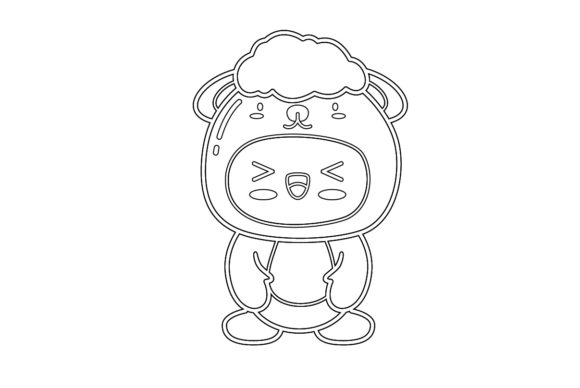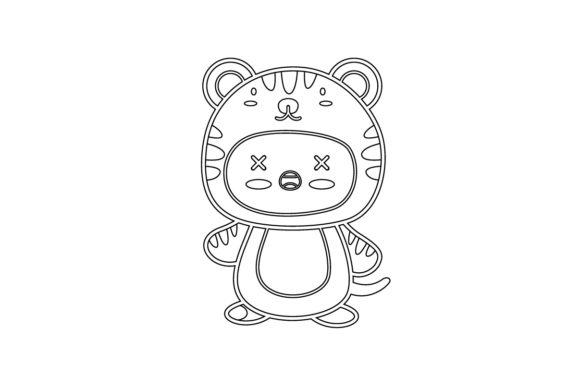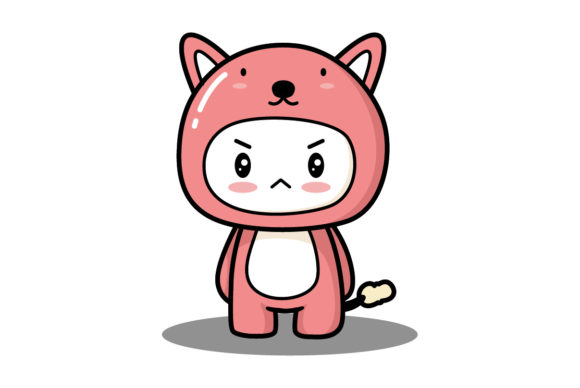
Easter Bunny Animal Graphics & Illustrations
First Impression: Playful, Seasonal, and Surprisingly Versatile
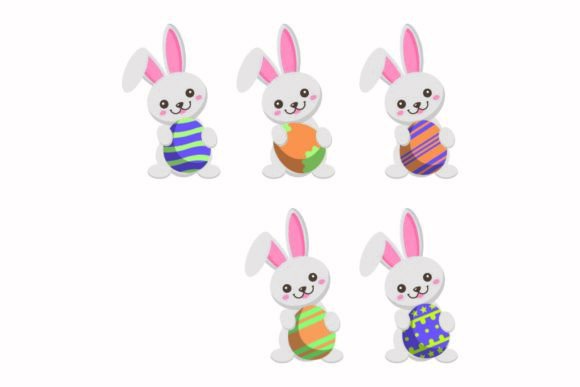
As a blog designer who’s sourced and deployed thousands of graphic design assets across lifestyle, education, parenting, faith-based, and small business content sites, my immediate reaction to Easter Bunny Animal was refreshingly positive—not just “cute,” but editorially intentional. It lands with gentle warmth: soft curves, balanced proportions, and a quiet charm that avoids cartoonish overload. This isn’t a hyper-saturated meme-style bunny—it’s a refined illustration that reads as both seasonal and timeless. It leans into a lifestyle-focused, gently feminine, and family-friendly editorial mood—ideal for blogs covering spring crafts, faith-based celebrations, early childhood education, wellness routines, or seasonal small business promotions.
Where Easter Bunny Animal Earns Its Place in Real Publishing Workflows
I tested Easter Bunny Animal across six live publishing scenarios—and it performed strongly in every one where visual tone aligned with audience expectations:
- Blog featured images: Paired with clean sans-serif headlines, it creates instant seasonal recognition without sacrificing professionalism.
- Pinterest pins: At 1920 × 1280 px, it scales beautifully into vertical layouts—no cropping needed, no awkward padding.
- Digital guides & lead magnets: Used as a header graphic in Canva templates, it signals “spring-themed value” before readers scan a single line of copy.
- Newsletter banners: Works especially well above the fold in MailerLite and ConvertKit—soft enough to feel human, bold enough to stop scrolling.
- Category thumbnails: On WordPress or Ghost sites, it visually anchors “Easter Resources” or “Spring Printables” sections with consistent, recognizable iconography.
- Social media graphics: The PNG and SVG versions hold crisp detail even when resized for Instagram Stories or Facebook cover images.
How It Strengthens Editorial Trust and Content Performance
In digital publishing, first impressions are non-negotiable—and Easter Bunny Animal delivers on three critical fronts: clarity, consistency, and credibility. Its clean lines and intentional negative space support stronger visual hierarchy, guiding eyes naturally toward headlines or CTAs. Because it’s available in five formats—including vector AI, EPS, and SVG—it integrates seamlessly into editorial design systems without pixelation or workflow friction. That means faster production cycles, fewer revision rounds, and more time spent on storytelling instead of troubleshooting raster artifacts.
For affiliate marketers and small business owners, this asset builds reader trust by signaling care in presentation. A polished, on-brand Easter Bunny Animal graphic next to an Amazon link or printable product feels considered—not generic. And because it’s sized for modern web standards (1920 × 1280 px), it supports responsive web design while maintaining sharpness across devices—a subtle but powerful boost to perceived brand identity.
Best Use Cases: Hero Images, Thumbnails, and Downloadable Design
This is where Easter Bunny Animal shines brightest:
- Website headers and hero sections—especially for spring landing pages or seasonal service offers.
- Article thumbnails in category grids or email digests—its shape and color palette pop without overwhelming text overlays.
- Pinterest pins with embedded keywords—SVG and PNG files retain clarity at thumbnail scale.
- Printable designs and digital products like coloring sheets, classroom calendars, or Easter activity packs.
- Content upgrades—used as a focal point on opt-in forms or thank-you pages for spring-themed lead magnets.
- Canva templates for educators and creators—vector compatibility means easy recoloring and resizing without quality loss.
Use With Intention—Not Everywhere
That said, Easter Bunny Animal isn’t universal. Avoid deploying it in contexts demanding stark minimalism, corporate gravitas, or clinical precision—think finance blogs, legal resource hubs, or B2B SaaS dashboards. It also risks visual competition in text-heavy blog images or low-contrast backgrounds (e.g., light yellow on pale cream). On mobile, test how its details hold up in tiny article cards—some fine elements soften at under-150px width. And if your site relies on monochrome or grayscale aesthetics, preview it in black-and-white first: the illustration retains shape but loses some of its seasonal warmth.
Publisher Notes You’ll Actually Use
Before dropping Easter Bunny Animal into production, run these quick checks:
- Preview it inside your actual blog layout—not just in isolation. Does it breathe beside your headline font? Try it with serif, sans-serif, script, and display typefaces.
- Test contrast: overlay headline text at 16px and 24px. Does readability hold on desktop and mobile?
- Check file size—JPG and PNG should be compressed via TinyPNG or Squoosh before upload to avoid slowing page speed.
- Confirm the commercial license: this is essential for monetized sites, affiliate marketing pages, and paid digital guides or printable designs.
- Export SVGs with simplified paths if using in CMS editors that don’t render complex vectors smoothly.
- Save layered PSD or AI versions for future edits—especially if you plan to adapt colors for brand alignment.
A Thoughtful Addition to Your Creative Marketplace Toolkit
Easter Bunny Animal isn’t just another seasonal clipart download. It’s a purpose-built graphic design asset that bridges creative expression and editorial utility. For bloggers building small business branding, educators designing digital downloads, or newsletter creators refreshing their content marketing visuals—it offers polish without pretense. When paired with strong writing and smart UX, it becomes part of a larger design system that makes content feel intentional, trustworthy, and human. In a world of rushed visuals and algorithm-chasing graphics, that kind of thoughtful execution? That’s what keeps readers coming back—and clicking through.