Jungle Animal Exercising Characters
First Impressions: Playful, Hand-Drawn Energy That Feels Like a Breath of Fresh Air
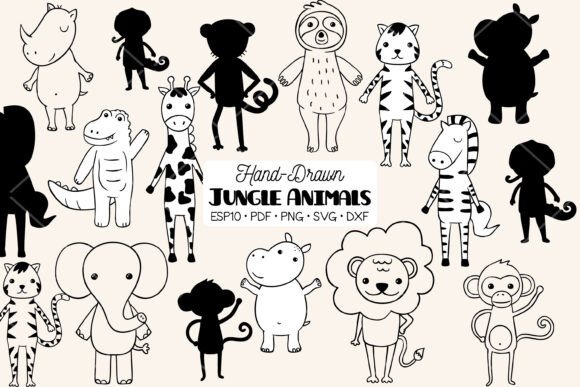
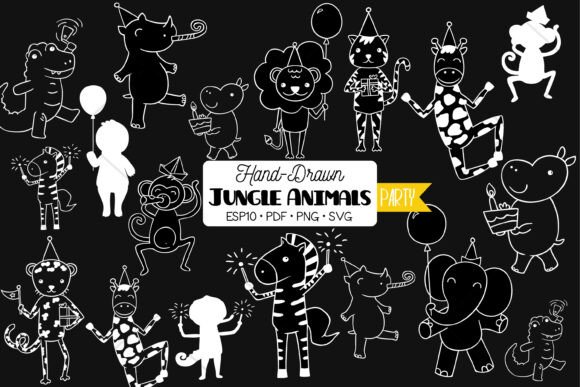
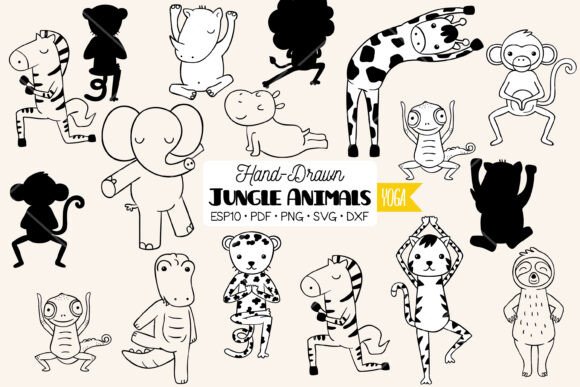
When I opened Jungle Animal Exercising Characters, I didn’t see clip art—I saw personality. Ten hand-drawn animals (sloth mid-stretch, lion doing lunges, tiger in downward dog, elephant balancing on one foot) all captured mid-movement with loose, confident lines and gentle imperfections. It’s not hyper-polished vector perfection—it’s warm, approachable, and full of quiet humor. That matters deeply in embroidery, where rigid geometry can flatten charm. This set leans into whimsy without tipping into cutesy overload—ideal for makers who want handmade authenticity, not stock graphics.
Real-Life Test: A Custom Embroidered Tote for a Local Kids’ Yoga Studio
I pulled Jungle Animal Exercising Characters into a test project: a 6" × 8" cotton canvas tote for a neighborhood children’s yoga studio. My goal? One central animal (the sloth in tree-pose) plus two smaller supporting characters along the bottom hem—no text, no borders, just joyful movement stitched cleanly. The result was unexpectedly cohesive. Because the illustrations share consistent line weight and spacing, they translated well into satin and fill stitch without needing heavy redesign. Customers noticed it immediately—not just “cute animals,” but “Oh, that sloth is *actually* stretching.” That specificity builds trust. It signals care, not copy-paste.
Where It Shines—and Where to Pause Before Stitching
Jungle Animal Exercising Characters works beautifully for:
- Custom apparel: Sweatshirts, crewneck tees, and baby onesies—especially when placed on chest or back panels where moderate detail reads clearly.
- Embroidered patches: The clean silhouette and intentional negative space make these ideal for iron-on or sew-on patches on denim jackets or backpacks.
- Nursery decor & baby embroidery: Soft shapes and non-aggressive contrast suit organic cotton blankets, pillow covers, and muslin swaddles—just avoid dense fill areas on ultra-thin fabrics.
- Holiday and personalized gifts: Think embroidered tea towels for teachers (“monkey holding a mug”), aprons for fitness instructors, or cap visors for kids’ sports camps.
- Small shop product differentiation: On Etsy or at craft fairs, this design helps your handmade product stand out—not because it’s flashy, but because it feels intentionally human.
But be thoughtful with:
- Small hoop sizes (<5"): The crocodile’s tail tip and zebra’s striped leg joints shrink fast. Scale down only one character at a time—or choose simpler poses like the seated hippo.
- Textured or stretchy fabric: On terry cloth towels or jersey knits, use cutaway stabilizer and reduce stitch density slightly. Those hand-drawn curves rely on stability to hold shape.
- Dark fabric backgrounds: The original line art has light-to-medium contrast. Test thread colors thoroughly—navy + mustard yellow reads better than black + charcoal gray.
- Curved surfaces (caps, curved pillow fronts): The monkey and lizard pose best here—their compact proportions adapt more easily than the full-body elephant or zebra.
What This Design Does for Your Craft Business—Beyond the Stitch
As an embroidery designer who’s reviewed hundreds of digital assets, I’ll say this plainly: Jungle Animal Exercising Characters elevates perceived value without demanding premium pricing. Why? Because its visual storytelling invites engagement. A parent buying a custom embroidered baby towel doesn’t just see “animal”—they see narrative. That makes your finished product more gift-worthy, more Instagram-sharable, and more likely to earn repeat orders.
It also supports brand consistency. If you sell matching nursery sets (pillow + blanket + onesie), these characters unify the collection without repeating the same pose. And for Etsy sellers: using Jungle Animal Exercising Characters in printable mockups—showing the sloth on a linen tote, the tiger on a sweatshirt, the zebra on a tea towel—creates natural cross-sell opportunities.
Practical Designer Notes You’ll Want to Follow
Before stitching your first Jungle Animal Exercising Characters project:
- Test on scrap fabric first—especially if using textured weaves or blends. Watch how the fill stitch settles into the grain.
- Review stitch density. Some poses (like the crocodile’s open jaw or the lion’s mane) may benefit from slight manual reduction to prevent puckering.
- Confirm hoop size compatibility. These are illustration-based graphics—not pre-digitized embroidery files—so digitizing for machine embroidery will require attention to underlay, pull compensation, and jump stitch placement.
- Inspect small details: The sloth’s claws, lizard’s toes, and zebra’s stripe ends are subtle. If shrinking below 3", simplify or omit those elements.
- Test in black-and-white mockups. Since these are hand-drawn Illustrations, grayscale previews reveal contrast issues faster than color screens.
- Use proper stabilizer. Medium-weight cutaway works best for most apparel; tear-away suffices for stable woven cottons like tea towels.
- Check licensing before selling finished items or digital products. As Graphics, these are intended for physical craft use—but confirm commercial rights if bundling into digital embroidery kits or SVG bundles.
A Final Thought: Design That Serves the Maker, Not Just the Machine
Jungle Animal Exercising Characters doesn’t shout. It smiles, stretches, balances—and quietly invites you to slow down and enjoy the making. That’s rare. In a market flooded with over-digitized, high-density machine embroidery designs, this set reminds us that sometimes the strongest statement is a relaxed, well-drawn line. Use it where joy matters more than flash—on baby clothes that soften with every wash, on boutique totes that spark conversation, on holiday gifts that feel truly seen. That’s not just smart design. That’s good business.