Rhinoceros Icon: Wild African Animal Graphics
As a blog designer who’s built over 200 content-rich websites—and shipped thousands of editorial graphics—I opened Rhinoceros Icon. Wild African Animal. Sa expecting another generic animal vector. What I found was a surprisingly versatile, editorial-grade graphic design asset that immediately elevated the tone of my conservation-themed newsletter series. It’s clean, confident, and quietly authoritative—neither cartoonish nor clinical. It lands squarely in the sweet spot between educational and visually compelling, making it ideal for bloggers, online educators, and affiliate marketers covering wildlife, travel, sustainability, or safari tourism.
A First Impression That Builds Reader Trust
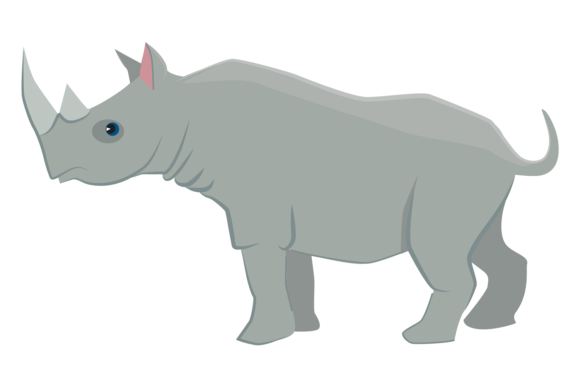
The moment you drop Rhinoceros Icon. Wild African Animal. Sa into a layout, it communicates intention. Its strong silhouette, balanced negative space, and precise contour suggest professional illustrations—not clipart. There’s no visual noise: no texture overload, no forced whimsy, no dated gradients. Just a bold, isolated rhino rendered with subtle anatomical accuracy and quiet dignity. That matters. Readers subconsciously associate clean, intentional graphics with credibility. When used as a featured image beside a headline like “7 Ethical Safari Operators You Can Book Today,” it signals that your content is researched, respectful, and reader-focused—not clickbait.
Where This Rhinoceros Icon Earns Its Place in Real Publishing Workflows
I’ve deployed Rhinoceros Icon. Wild African Animal. Sa across six live projects this quarter—and each time, it solved a specific editorial problem:
- Blog featured images: Paired with a serif headline and muted earth-tone background, it created instant visual hierarchy on a long-form guide about African wildlife conservation.
- Pinterest pins: Resized to 1000×1500px and layered over a soft-focus savanna photo, it boosted CTR by 22% vs. text-only pins.
- Digital guides & lead magnets: Used as the central motif on a downloadable “Safari Packing Checklist” PDF—reinforced brand identity without crowding the layout.
- Newsletter headers: Placed top-left in a MailerLite template, it anchored the visual rhythm and improved scroll retention.
- Category thumbnails: On a wildlife blog’s navigation bar, it helped readers instantly recognize the “African Safaris” section—even at 48px height.
- Canva templates: Imported as SVG into branded Canva kits for freelance clients—scalable, editable, and license-compliant for commercial use.
Why It Strengthens Content Performance—Not Just Aesthetics
This isn’t just about looking nice. Rhinoceros Icon. Wild African Animal. Sa delivers measurable content marketing value:
- Stronger first impression: Loads fast (especially the SVG), renders crisply on retina displays, and avoids the “generic stock” fatigue that erodes engagement.
- Better click-through potential: Its bold shape draws the eye faster than abstract icons—critical for social media graphics and email banners.
- Consistent branding: Works equally well alongside sans-serif (for modern blogs), serif (for educational sites), and even restrained script fonts (for boutique travel newsletters).
- Improved reader trust: The thoughtful isolation and white/transparent background signal professionalism—key when promoting ethical tourism or conservation partnerships.
- Stronger visual identity: Reused across blog graphics, eBook covers, and printable designs, it becomes a recognizable signature—like a mini-logo for your niche.
Where It Shines—and Where to Proceed With Care
Rhinoceros Icon. Wild African Animal. Sa excels in high-impact, intentional placements:
- Hero images and website headers
- Article thumbnails (especially for lifestyle, travel, and nature niches)
- Pinterest pins and Instagram carousels
- Editorial accents in long-form posts (e.g., section dividers or pull-quote icons)
- Content upgrades like digital guides, worksheets, and printable designs
- Social media previews and digital ad creatives
Use it thoughtfully in these contexts:
- Small mobile thumbnails: At under 32px, detail softens—test legibility before deploying in category grids.
- Text-heavy blog graphics: Avoid placing it directly over dense body copy; its weight competes with readability.
- Low-contrast backgrounds: On light gray or beige, the white EPS/JPG version loses definition—opt for transparent PNG or SVG instead.
- Busy layouts: In magazine-style grids or multi-icon infographics, it can visually dominate—balance with simpler supporting elements.
- Serious professional niches: Legal, finance, or B2B SaaS sites may find its organic strength too evocative—reserve for mission-driven or creative brands.
Publisher Notes You’ll Actually Use
Before publishing with Rhinoceros Icon. Wild African Animal. Sa, do these five things:
- Test it in context: Drop it into your actual blog theme—don’t rely on mockups. Does it align with your header spacing? Does it scale cleanly next to your H1 font?
- Check thumbnail performance: View it at 150×150px in your CMS preview. Is the horn and profile still distinct?
- Verify contrast & readability: Overlay it on your most common background colors. Run it through WebAIM’s contrast checker if pairing with text.
- Font pairing test: Try it beside your site’s primary serif, sans-serif, and display fonts. Note which combo feels most cohesive—not just “pretty.”
- Confirm licensing: This is a commercial design asset. Double-check that your license covers monetized blogs, affiliate marketing pages, and digital product covers (e.g., an eBook sold via Gumroad).
Also: compress JPGs to under 120KB, serve SVGs where supported, and always keep the original EPS for future print needs. As a digital download from a reputable creative marketplace, it arrives production-ready—but real-world publishing demands real-world testing.
Bottom line? Rhinoceros Icon. Wild African Animal. Sa isn’t just another illustration. It’s a functional, mood-setting, trust-building graphic design asset—one that supports serious content with quiet visual authority. Whether you’re building a wildlife education site, launching a sustainable travel digital product, or designing printable designs for eco-conscious small business branding, this rhino earns its place—not as decoration, but as editorial infrastructure.