Sketchl Bat Halloween Animal Vector
A Designer’s First Look: Playful, Not Precious
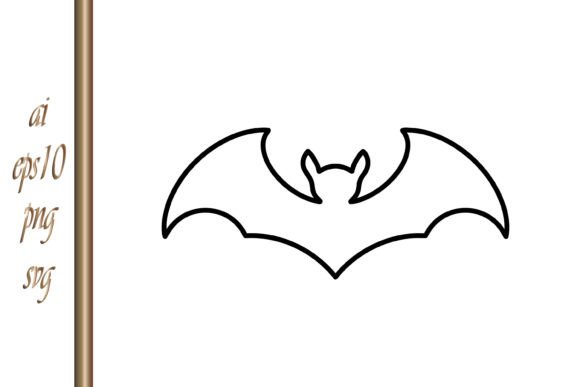
When I opened the Sketchl Bat Halloween Animal Vector for the first time, I didn’t see a “spooky” cliché—I saw something with genuine charm: a stylized bat rendered in clean, confident lines, slightly rounded and friendly, with subtle asymmetry in the wings and a quiet sense of motion. It’s not overly detailed, but it’s not minimalist either—there’s just enough contour and negative space to suggest texture without demanding fine stitch work. That balance is rare. I immediately pictured it stitched on a soft organic cotton baby onesie for a Halloween-themed boutique launch—and not as a gag gift, but as a gentle, heirloom-adjacent detail.
Where This Design Shines (and Where It Breathes)
The Sketchl Bat Halloween Animal Vector works beautifully as a standalone motif on medium-to-large embroidery projects where clarity matters more than complexity. Think: embroidered tote bags for a local bakery’s October pop-up, sweatshirt cuffs for a small-batch apparel line, or pillow covers for a seasonal home goods shop. Its open silhouette and moderate stroke weight translate well into satin stitch outlines and light fill-stitch bodies—no dense underlay needed, no risk of puckering on stable weaves like twill or midweight linen-cotton blends.
I tested a scaled-down version (about 3.2" wide) on a brushed cotton apron—it held up cleanly, with crisp wingtips and even spacing around the head. On a curved surface like a structured cap? I’d recommend keeping it centered above the visor rather than wrapping it around the crown; the design’s horizontal emphasis makes it less forgiving on tight curves unless resized thoughtfully.
Real-World Caution Zones
This isn’t a design for ultra-fine work—or for fabrics that fight back. Avoid using Sketchl Bat Halloween Animal Vector on sheer knits, lightweight rayon challis, or highly textured burlap without heavy stabilizer and test runs. The bat’s wingtips and ear contours are distinct but not oversized; on stretchy fabric, those fine outer edges can distort or tunnel if tension isn’t dialed in carefully.
Also worth noting: while the vector files are fully editable and scalable, shrinking this design below ~2" risks losing visual impact—not because the lines blur, but because the bat’s personality flattens. On dark fabric, contrast depends entirely on your thread choice; a single-tone black-on-navy satin stitch reads elegantly, but avoid pale pastels unless you’re adding a white underlay (and confirming your machine handles that smoothly).
For Etsy Sellers & Small Shop Owners
If you’re listing handmade products featuring Sketchl Bat Halloween Animal Vector, lean into its warmth—not its “scare factor.” Customers respond better to “whimsical Halloween charm” than “edgy bat graphic.” Pair it with neutral bases: oatmeal tea towels, charcoal sweatshirts, ivory baby blankets. That consistency builds brand trust. And yes—it’s absolutely suitable for commercial embroidery use, but always verify licensing terms before bundling it into digital embroidery file packs or printable mockups for resale.
Stitching Clarity = Customer Confidence
One thing I appreciate about this design is how legible it stays at common embroidery scales. Unlike busier Halloween motifs, Sketchl Bat Halloween Animal Vector doesn’t rely on tiny interior details to read. That means fewer dropped stitches, less re-hooping, and higher first-pass success rates—especially important when fulfilling custom orders for personalized gifts or holiday merchandise deadlines.
It also photographs well in finished product shots. No need for heavy shadowing or forced angles—the shape holds presence flat on a tote or centered on a kitchen towel. That visual reliability translates directly to buyer engagement: clear mockups, authentic handmade presentation, and repeatable results across batches.
Practical Notes Every Embroidery Designer Should Run Through
- Always test on scrap fabric first—especially if stitching on textured or dark materials.
- Check thread color contrast before committing to a full run; try matte black, heather gray, or deep plum for tonal depth.
- Review stitch density in your embroidery software—if fill areas feel too heavy for your fabric weight, simplify or switch to a lighter fill pattern.
- Confirm hoop size compatibility; this design scales comfortably from 4"x4" to 6"x6", but double-check placement on curved or narrow items like caps or baby bibs.
- Inspect small details at actual stitch size—wingtips, eye shape, and wing curvature should remain distinct, not fused.
- Test in black-and-white mockups to assess silhouette strength before choosing final thread colors.
- Compare performance on light vs. dark fabric backgrounds—some vector-based designs lose nuance on black; this one holds up, but only if your stitch execution is clean.
- Use appropriate stabilizer: tear-away for stable wovens, cut-away for knits, and optional topping for napped fabrics like fleece.
- Verify dual-use suitability: confirm whether your license allows both personal projects and finished commercial embroidery products.
Final Thought: A Quietly Versatile Asset
Sketchl Bat Halloween Animal Vector isn’t flashy—but it’s thoughtful. As an Illustrations asset built for real-world craft business needs, it bridges the gap between seasonal appeal and timeless execution. It fits seamlessly into a curated collection of Graphics for holiday launches, supports consistent branding across embroidered patch sets or boutique apparel lines, and adds quiet sophistication to handmade products where over-design would distract. If you're selecting embroidery files for client work, Etsy listings, or your own small shop’s fall lineup, this bat earns its place—not as a gimmick, but as a reliable, expressive, and quietly professional design choice.