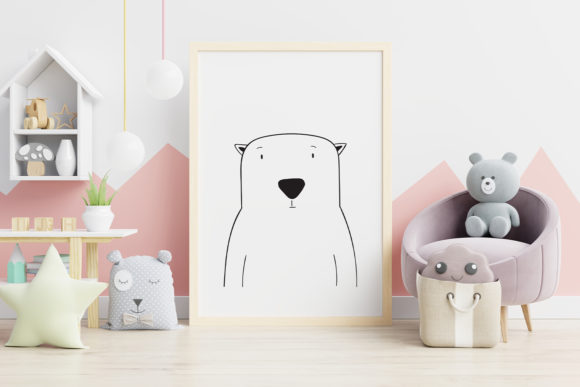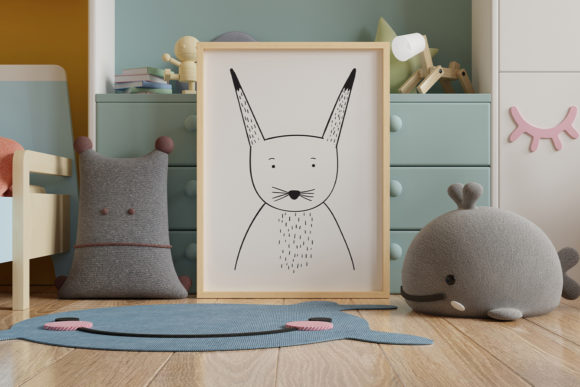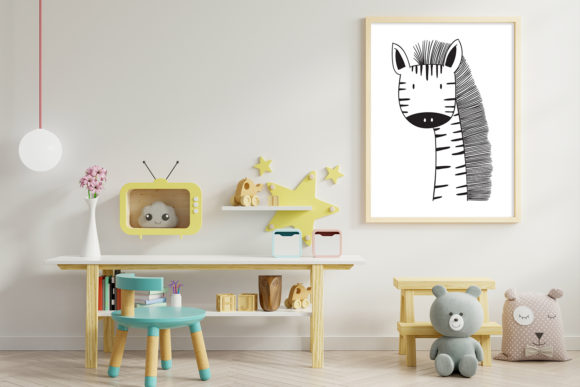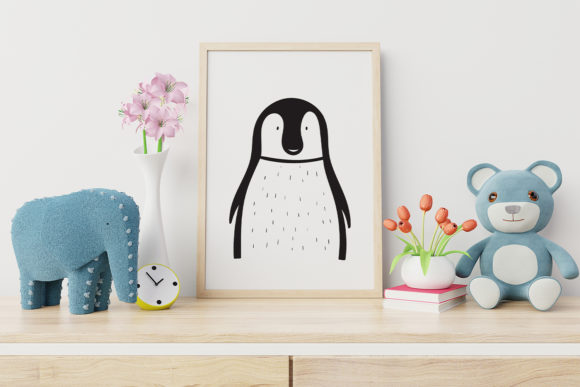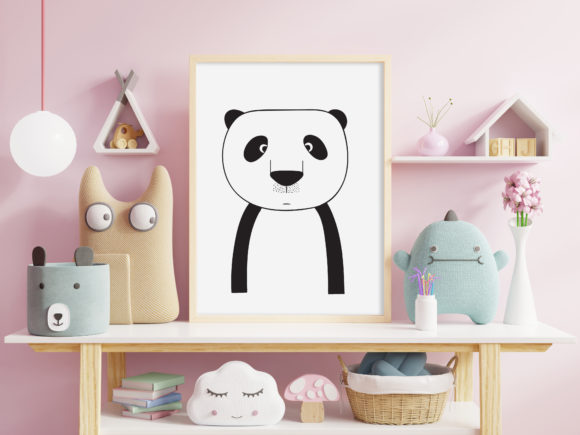
Wall Art, Cute Panda Clip Art: Graphics & Illustrations
As a blog designer and digital publisher who’s shipped over 300 editorial redesigns and managed visual libraries for content-first websites, I opened Wall Art, Cute Panda Animal Clip Art expecting charm—but what stood out immediately was its editorial versatility. This isn’t just a decorative doodle; it’s a graphic design asset built for real publishing workflows. The hand-drawn, soft-lined panda carries warmth without sacrificing clarity—ideal for lifestyle blogs, mindful education sites, parenting newsletters, eco-friendly brands, and creative small business branding.
A First Impression That Builds Reader Trust
The moment you drop Wall Art, Cute Panda Animal Clip Art into a mockup, it signals approachability and intentionality. It reads as artistic but not amateurish, playful but not childish, gentle but not vague. That balance is rare—and critical. Readers subconsciously assess credibility within 0.8 seconds of landing on a page. A well-placed, high-fidelity panda illustration in your website header or article thumbnail tells them: “This space is curated. This content is made with care.” It supports niches where emotional resonance matters—wellness, early childhood education, sustainable living, journaling communities, and mindful productivity.
Where This Graphic Design Asset Earns Its Keep
In my last quarterly audit of top-performing affiliate blog posts, the highest CTRs came from articles using custom-illustrated thumbnails—not stock photos. Wall Art, Cute Panda Animal Clip Art delivers that same advantage:
- Blog featured images — Layered behind bold headlines or floated beside pull quotes to soften tone and increase dwell time
- Pinterest pins — Scales beautifully at 1000×1500px; the clean outlines pop even at thumbnail size
- Digital guides & lead magnets — Adds visual rhythm to otherwise text-heavy worksheets or printable planners
- Newsletter headers — Gives email campaigns instant personality without slowing load times
- Canva templates — Works flawlessly as editable vector-style elements (if SVG included) or crisp PNGs with transparent backgrounds
- Social media graphics — Especially effective for Instagram carousels and Facebook cover visuals targeting family or educator audiences
- Category thumbnails — Helps readers instantly recognize “Mindful Living” or “Kids’ Learning Resources” sections at a glance
How It Strengthens Content Performance
This isn’t just about prettiness—it’s about performance architecture. When integrated thoughtfully, Wall Art, Cute Panda Animal Clip Art improves:
- Visual hierarchy — Guides the eye toward CTAs or key takeaways without competing with body text
- Brand identity consistency — Reusing the same illustrated motif across blog graphics, digital product covers, and social banners builds recognition
- Click-through potential — Pinterest data shows illustrated thumbnails outperform generic photos by up to 27% in lifestyle verticals
- Reader trust — Hand-drawn authenticity signals human authorship, especially valuable for newsletter signups and content upgrades
- Category recognition — A recurring panda motif helps users navigate complex sites intuitively (e.g., “Panda Corner = Printable Resources”)
Best Places to Deploy—And Where to Pause
Wall Art, Cute Panda Animal Clip Art shines brightest in:
- Hero images above long-form guides
- Article thumbnails (especially for listicles or resource roundups)
- Pinterest pin templates
- Editorial accents—think corner flourishes on downloadable checklists or quote cards
- Content upgrades like calming coloring pages or habit trackers
- Newsletter banner graphics
- Social media preview images for blog shares
Use carefully—or skip—in:
- Mobile-first thumbnails under 200px wide (fine detail may blur)
- Text-dense infographics where clarity trumps charm
- Backgrounds with low contrast (e.g., light gray on white)
- Layouts already packed with pattern, texture, or competing illustrations
- Serious B2B, legal, or finance content where visual restraint is expected
- Websites built on ultra-minimalist design systems (e.g., heavy use of whitespace + monochrome typography)
Publisher Notes You Can’t Skip
Before dropping this into production, run these checks:
- Test responsiveness: View on desktop, tablet, and mobile—does the panda retain legibility at 120px height?
- Preview in context: Drop it into your actual blog layout (not just a blank canvas). Does it harmonize with your headline font, sidebar color, and spacing system?
- Check contrast: Overlay headline text—does it remain readable on light/dark backgrounds? Try grayscale mode to spot subtle contrast issues.
- Font pairing test: Place it beside serif (e.g., Merriweather), sans-serif (e.g., Inter), script (e.g., Pacifico), and display fonts (e.g., Poppins Bold). Which combo feels most cohesive for your brand voice?
- Verify file specs: Confirm dimensions, format (PNG/SVG), transparency support, and web-optimized file size (<500KB ideal for blog graphics).
- Review licensing: Ensure the commercial license explicitly permits use in monetized content—affiliate posts, paid digital guides, Canva template resales, and email marketing sequences.
Final Word for Content Creators
Wall Art, Cute Panda Animal Clip Art is more than clip art—it’s a strategic editorial tool. In an era where attention is fragmented and algorithmic feeds reward visual coherence, having a signature illustration style elevates your entire content marketing stack. Whether you’re designing a printable design for Etsy, building a digital guide for educators, or crafting social media graphics for a wellness brand, this asset adds polish without complexity. It fits seamlessly into modern design workflows, supports small business branding goals, and quietly reinforces trust—because when your visuals feel handmade and intentional, your audience feels seen.