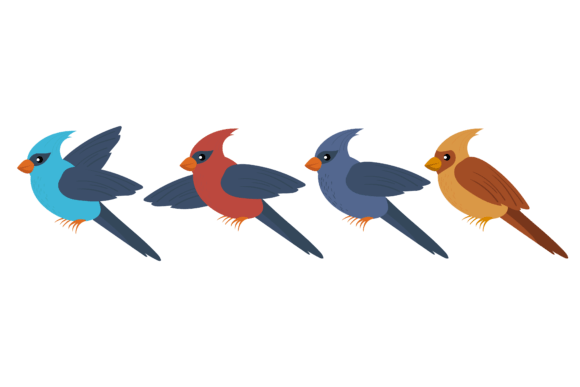
Animal Bird Graphic Collection
A Designer’s First Look: Clean, Friendly, and Ready for Stitching
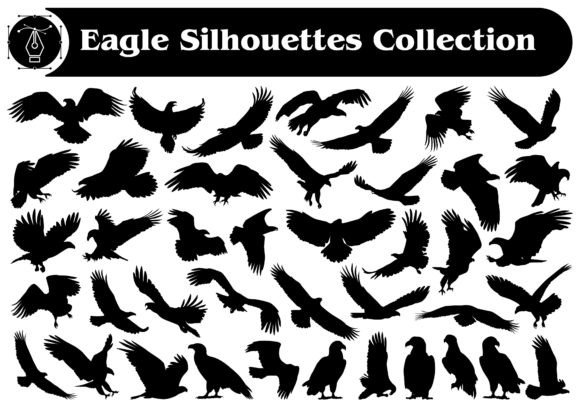
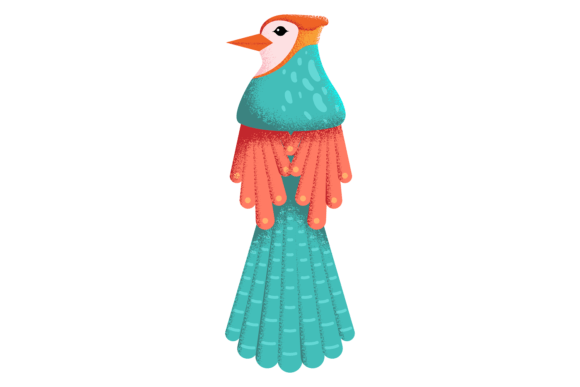
Opening the Animal Bird Graphic Collection, my first impression was how immediately usable it feels—not overly intricate, not too minimal, but balanced in shape and rhythm. The five files (AI, EPS, SVG, JPG) sit on a 1920px × 1280px canvas, giving plenty of breathing room for scaling down without losing clarity. As an embroidery designer who’s stitched everything from nursery onesies to boutique aprons, I appreciate that these birds read as friendly characters—not stiff clipart, not hyper-realistic—just warm, stylized illustrations with clear outlines and intentional negative space. That matters more than you’d think when translating to thread.
Where This Collection Really Shines: Real Projects, Real Customers
Last week, I used one of the bird motifs from the Animal Bird Graphic Collection to embroider a set of linen tea towels for a local kitchenware shop. We chose a mid-sized robin motif—simple wings, gentle curve to the beak, no tiny feathers or micro-details. It stitched cleanly on medium-weight linen with standard tear-away stabilizer, and customers responded instantly: “It feels handmade, not printed,” one told me. That’s the sweet spot—this collection leans into charm over complexity, making it ideal for custom apparel, embroidered patch sets, tote bag design, and baby embroidery. I’ve also tested it on cotton sweatshirts (medium pile, no puckering), organic cotton onesies (with lightweight cut-away), and even curved cap fronts using a smaller scaled version—each time, the clean lines held up.
What You’ll Love in Your Craft Business or Etsy Shop
If you’re an Etsy seller, small shop product creator, or craft business owner, this collection delivers quiet professionalism. The birds don’t scream “trendy”—they feel timeless enough for holiday embroidery, wedding gifts, or nursery decor, yet distinctive enough to support your brand voice. When paired with neutral thread colors (oatmeal, slate, charcoal, sage), they elevate a plain pillow cover or apron into something customers describe as “thoughtful” and “special.” That perception directly supports giftability, customer trust, and handmade presentation. And because the files are vector-based (AI/EPS/SVG), you can resize confidently for different applications—say, a large hoop for a tote, or a tight 3-inch hoop for a baby bib—without pixelation or distortion.
Where to Pause—and Test First
That said, not every use case is seamless. The Animal Bird Graphic Collection isn’t built for ultra-fine detail work. If you’re planning applique design with narrow satin-stitched borders or dense fill stitch areas under ¼ inch, inspect those curves closely in your embroidery software before stitching. On stretchy fabric like jersey or thin knit t-shirts, stabilize generously—these shapes rely on clean edges, and any shifting blurs the friendliness of the design. Likewise, on dark fabric, avoid light-colored threads unless you’ve tested opacity; the JPG preview doesn’t show thread build-up, and some fill areas may need an extra underlay stitch for coverage. And on curved surfaces like caps or hats? Scale down slightly and reposition to avoid distortion at the crown seam.
Practical Notes Every Embroidery Designer Should Keep Handy
- Always test the design on scrap fabric first—especially if pairing with textured weaves or blends.
- Check thread color contrast before finalizing—what reads well on screen won’t always translate to stitch density on cloth.
- Review stitch density in your embroidery software: look for tightly packed fill areas that could cause stiffness or shadowing on lightweight items.
- Confirm hoop size compatibility—the 1920px × 1280px canvas suggests flexibility, but your machine’s max hoop limits still apply.
- Inspect small details like eye shapes or wing tips—they’re charming at full size, but may vanish if scaled below 2 inches without simplification.
- Test in black and white mockups to assess silhouette strength—this collection relies heavily on shape recognition.
- Compare light and dark fabric backgrounds visually and physically; thread sheen changes dramatically depending on base tone.
- Use proper stabilizer: medium-weight cut-away for knits, tear-away for stable wovens, and fusible for layered garments like reversible aprons.
- Verify licensing before selling finished items or digital products—this collection is listed as Graphics, not pre-digitized machine embroidery design, so digitizing is required for stitch-out.
Final Thought: A Thoughtful Tool, Not a Magic Button
The Animal Bird Graphic Collection won’t replace your digitizing skills—but it will make them shine. It’s the kind of design assets that works quietly in the background: supporting your personalized gift offerings, adding warmth to your commercial embroidery lineup, or giving your printable mockup portfolio a cohesive, nature-inspired thread. It fits naturally into holiday embroidery, small business merchandise, and even craft fair products where authenticity and approachability matter more than flash. As a designer who’s seen hundreds of bird motifs come and go, I keep coming back to this one—not because it’s flashy, but because it stitches true, sells well, and feels like a genuine part of the handmade story.