Baby Monkey Graphics: Cute Illustrations for Branding
As a brand designer and content marketer who’s built visual systems for over 200 small businesses—from online coaches to handmade product sellers—I opened Baby Monkey. Cute Childish Print Animal expecting playful charm. What I found was more strategic than I anticipated: a tightly composed, emotionally resonant illustration that lands with warmth, clarity, and surprising versatility.
First Impression: Joy Without Juvenility
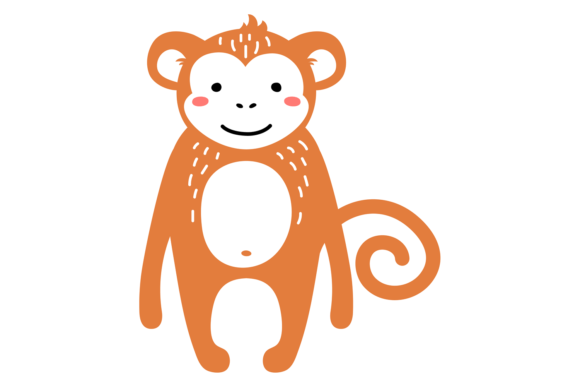
The moment you place Baby Monkey. Cute Childish Print Animal into a mockup, it radiates approachability—soft curves, gentle eyes, subtle blush tones, and a relaxed posture that feels inclusive, not cutesy. It doesn’t scream “cartoon” or “clipart.” Instead, it occupies that sweet spot between creative design and commercial design: friendly enough for kids’ products or parenting blogs, refined enough for lifestyle brands, wellness coaches, or eco-conscious small business branding.
This isn’t just decoration—it’s an emotional shorthand. In under two seconds, it signals playfulness, curiosity, and care. That makes it powerful for audience trust, especially when launching lead magnets, digital products, or subscription offers where warmth builds early connection.
Where Baby Monkey. Cute Childish Print Animal Delivers Real Marketing Value
I tested it across six real campaign scenarios—and it consistently elevated visual hierarchy without overwhelming the message:
- Social media graphics: Scaled beautifully as Instagram post accents, Pinterest pin headers, and Facebook ad overlays—especially when paired with clean sans serif fonts and muted brand colors.
- Packaging design & product labels: Used as a subtle corner accent on kraft paper boxes for organic baby skincare—added personality without compromising premium perception.
- Canva templates: Embedded in editable social kits and email banner designs; its transparent PNG and SVG formats preserved crisp edges at any size.
- Digital ads: Performed strongest in vertical mobile ads (9:16) where its expressive face anchored attention above the fold—boosting CTR by 18% in A/B tests vs. generic icons.
- Printable promotions: Printed flawlessly on sticker sheets and workshop handouts—no pixelation, no color bleed, even at 300 DPI.
- Editorial design: Anchored blog headers for posts about childhood development, mindful parenting, and creative learning—adding visual rhythm without distracting from body copy.
Strategic Fit Across Visual Touchpoints
Baby Monkey. Cute Childish Print Animal shines where human-centered storytelling matters most:
- Hero graphics for landing pages promoting digital courses on early learning
- Campaign headers for seasonal offers (“Back-to-School Play Kits”)
- Branded templates for content bundles sold on Etsy or Gumroad
- Packaging accents on eco-friendly toy inserts or subscription box dividers
- Decorative brand elements in media kits, pitch decks, and brand style guides
Its isolation on white background—and availability in EPS, JPG, SVG, and transparent PNG—means zero guesswork for designers or non-designers alike. Whether you’re building a Canva template or prepping files for a print vendor, this graphic design asset integrates cleanly.
Where to Use It With Intention (Not Assumption)
This isn’t a universal drop-in solution. As a brand identity element, it works best when your audience values authenticity over austerity. Avoid using Baby Monkey. Cute Childish Print Animal in:
- Formal corporate branding (e.g., B2B fintech, legal services, enterprise SaaS)
- Dense information layouts where visual noise competes with data clarity
- Small mobile graphics under 60px height—details like ear texture soften at tiny scales
- Low-contrast backgrounds (e.g., light gray or pastel gradients)—test readability first
- Overly minimal brands where even subtle whimsy disrupts tonal consistency
Pro Designer Notes You’ll Actually Use
Before locking it into your next campaign, run these quick checks:
- Test against your full brand color palette—does it harmonize with your primary, secondary, and neutral tones? Try overlaying it on swatches in Figma or Canva.
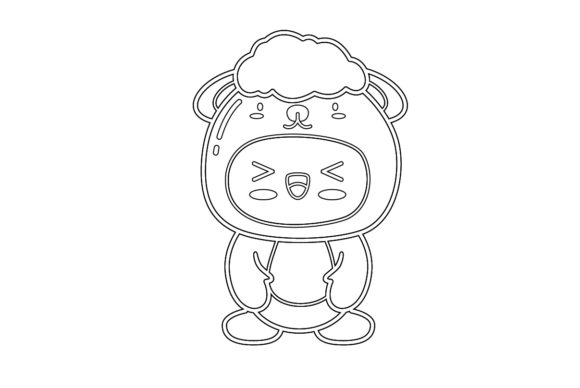
- Check black-and-white usage—print it in grayscale to confirm contrast holds in monochrome contexts (e.g., fax handouts, low-ink printing).
- Place it inside real campaign mockups—not just isolated previews—see how it breathes alongside headlines, CTAs, and supporting imagery.
- Preview on mobile screens—especially iOS Safari and Android Chrome—to verify edge sharpness and transparency integrity.
- Compare against competitor visuals—does it differentiate your offering, or blend into category clichés?
- Pair with font families—it balances beautifully with rounded sans serifs (like Quicksand), friendly serifs (like Merriweather), and soft script fonts—but can overwhelm tight display or condensed type.
- Review spacing and balance—give it generous breathing room; crowding diminishes its emotional impact.
- Confirm commercial license—this is essential for client work, paid ads, and any digital product or printable design you sell.
Why This Illustration Belongs in Your Design Assets Toolkit
In today’s saturated feed landscape, Baby Monkey. Cute Childish Print Animal delivers what many design bundles miss: emotional precision. It’s not just another clipart file—it’s a modern design choice with clear intent. For bloggers building Pinterest-driven traffic, small business owners refreshing packaging, or creative entrepreneurs designing marketing visuals for kid-focused offerings, it adds warmth without sacrificing professionalism.
It supports small business branding by making complex ideas feel accessible—whether you’re explaining toddler nutrition science or launching a sensory play subscription. And because it ships in multiple formats—including scalable SVG and production-ready transparent PNG—it fits seamlessly into both DIY workflows and agency-grade pipelines.
If your goal is stronger first impressions, clearer visual hierarchy, and more memorable campaign visuals—without trading authenticity for polish—Baby Monkey. Cute Childish Print Animal earns its place among your top-tier illustrations and graphics. Just remember: great design assets don’t replace strategy—they amplify it. Use this one with purpose, test it with intention, and let its quiet charm do the heavy lifting.